

How to Repair Sun-Damaged Hair Before It Gets Worse
Have you ever noticed your hair feeling rough, dry, or unusually brittle after spending time in the sun? You’re not imagining it. Just like your skin, your hair can suffer from prolonged UV exposure. The sun, combined with heat, humidity, saltwater, and chlorine, can gradually weaken your hair’s structure until it becomes difficult to manage.
The good news? Sun-damaged hair doesn’t have to stay that way. With the right care and a few simple changes to your routine, you can repair existing damage and prevent even more from happening. Think of your hair like a favorite cotton shirt—leave it outside in the sun day after day, and eventually the color fades and the fibers weaken. Your hair experiences something very similar.
Whether you’ve just returned from vacation or spend a lot of time outdoors, this guide will help you restore your hair’s health before the damage becomes permanent.
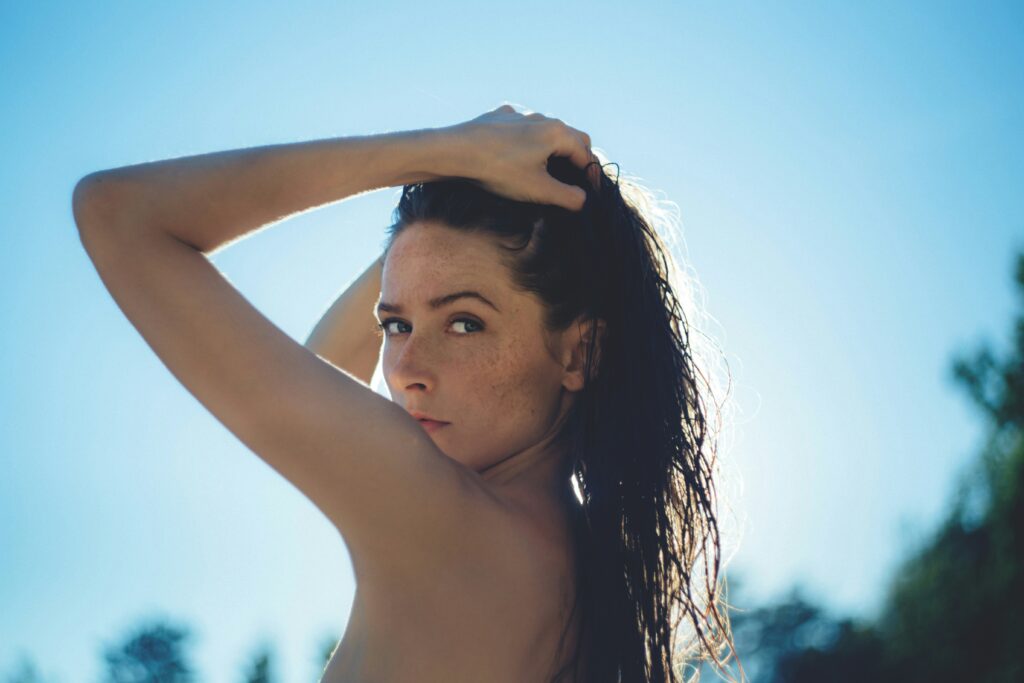
Understanding Sun Damage
Many people think only skin is affected by the sun, but hair is equally vulnerable. UV rays gradually break down the protective outer layer of each strand, known as the cuticle. Once the cuticle becomes damaged, moisture escapes easily, leaving hair dry, fragile, and more likely to break.
Color-treated hair is especially susceptible because chemical processing already weakens the hair shaft, making UV damage even more noticeable.
Why UV Rays Harm Hair
Sunlight affects hair in several ways:
- Breaks down keratin proteins
- Reduces natural moisture
- Fades hair color
- Weakens elasticity
- Causes frizz and split ends
When you combine UV exposure with chlorine or saltwater, the damage accelerates significantly.
Common Signs of Sun-Damaged Hair
Not sure if the sun is the culprit?
Here are some common symptoms:
- Dry texture
- Frizzy appearance
- Split ends
- Excessive tangles
- Color fading
- Brittle strands
- Lack of shine
- Hair breaks easily
The earlier you recognize these signs, the easier it is to reverse the damage.
Can Sun Damage Be Repaired?
The answer is yes—but with realistic expectations.
Hair cannot technically “heal” because it isn’t living tissue. However, you can dramatically improve its appearance, strength, and manageability through proper care.
Healthy new growth starts at the scalp, while existing strands benefit from hydration, protein, and protective treatments.
Start with a Gentle Cleansing Routine
Many shampoos strip away natural oils, making already damaged hair even drier.
Instead, choose products that are:
- Sulfate-free
- Moisturizing
- Color-safe
- Rich in nourishing ingredients
Wash only when necessary to preserve your scalp’s natural oils.
Deep Conditioning Is Essential
If there’s one product sun-damaged hair desperately needs, it’s a quality deep conditioner.
Use a deep conditioning mask once or twice each week to replenish moisture and improve softness.
Look for ingredients like:
- Argan oil
- Shea butter
- Coconut oil
- Keratin
- Aloe vera
- Panthenol
These ingredients help smooth the hair cuticle while reducing frizz.
Trim Away Split Ends
Split ends never repair themselves.
Once the hair shaft splits, the damage continues traveling upward unless it’s removed.
Getting a trim every six to eight weeks keeps hair looking healthier while preventing additional breakage.
Even removing half an inch can make a noticeable difference.
Use Hair Oils for Moisture
Hair oils help seal moisture inside the hair shaft.
Some excellent choices include:
- Argan oil
- Jojoba oil
- Marula oil
- Avocado oil
Apply a small amount to damp hair, focusing mainly on the mid-lengths and ends.
Avoid applying too much near the roots, especially if your scalp becomes oily.
Protect Hair from Future Sun Exposure
Repairing damage is only half the battle.
Preventing future damage is equally important.
Here are several easy ways to protect your hair:
Wear a Hat
Wide-brim hats offer excellent protection during long outdoor activities.
Use UV Hair Protectants
Many leave-in sprays contain UV filters specifically designed for hair.
Stay in the Shade
Whenever possible, avoid direct sunlight during peak afternoon hours.
Rinse After Swimming
Saltwater and chlorine continue damaging hair if left in place.
Rinse immediately with fresh water after swimming.
Eat Foods That Support Healthy Hair
Healthy hair begins from within.
A balanced diet rich in nutrients helps support stronger, shinier hair growth.
Focus on foods containing:
- Protein
- Biotin
- Omega-3 fatty acids
- Iron
- Vitamin D
- Vitamin E
- Zinc
Examples include:
- Salmon
- Eggs
- Spinach
- Greek yogurt
- Walnuts
- Sweet potatoes
- Avocados
Staying hydrated also helps maintain healthy hair.
Avoid Heat Styling During Recovery
Flat irons, curling irons, and blow dryers add another layer of stress to already weakened hair.
Whenever possible:
- Air dry your hair
- Lower heat settings
- Use heat protectant sprays
- Limit styling frequency
Giving your hair time to recover often produces better long-term results.
Professional Hair Treatments
Sometimes home care simply isn’t enough.
Professional salon treatments can provide deeper repair by restoring moisture and strengthening weakened strands.
Popular options include:
Protein Treatments
These temporarily reinforce damaged hair fibers.
Bond-Building Treatments
These help reconnect weakened internal hair bonds.
Hydration Treatments
Intensive moisturizing services restore softness and shine.
Professional recommendations ensure treatments match your specific hair type.
Daily Habits That Keep Hair Healthy
Small habits create lasting improvements.
Try incorporating these healthy routines:
- Use a microfiber towel
- Sleep on a silk pillowcase
- Brush gently
- Avoid tight hairstyles
- Use wide-tooth combs
- Protect hair while exercising outdoors
Consistency matters more than perfection.
When It’s Time to Visit a Professional
Sometimes hair damage becomes severe enough that professional guidance is the smartest choice.
Consider scheduling a consultation if:
- Hair breaks constantly
- Extreme dryness won’t improve
- Color fades unusually fast
- Hair feels gummy when wet
- Split ends return immediately
An experienced stylist can evaluate your hair and recommend personalized treatments.
At Cedric Salon, a trusted Hair Salon in New York, professional stylists understand how environmental damage affects different hair types and can recommend customized care routines designed to restore strength, shine, and overall hair health.
Final Thoughts
Sunshine is wonderful for the soul, but too much of it can leave your hair dry, dull, and vulnerable. Fortunately, repairing sun-damaged hair is absolutely possible with patience, consistency, and the right products. Gentle cleansing, deep conditioning, protective styling, nourishing oils, healthy nutrition, and regular trims all work together to restore softness and strength.
Most importantly, don’t wait until the damage becomes severe. The earlier you begin caring for sun-exposed hair, the better your results will be. Whether you’re spending weekends at the beach, enjoying outdoor adventures, or simply walking around the city, protecting your hair today helps ensure healthier, shinier strands tomorrow. If your hair needs extra attention, visiting experienced professionals like the team at Cedric Salon, a premier Hair Salon in New York, can make all the difference in creating a personalized recovery plan that keeps your hair looking its best throughout every season.
Frequently Asked Questions (FAQs)
1. Can sun-damaged hair become healthy again?
Yes. While damaged hair cannot completely regenerate, proper hydration, conditioning, regular trims, and professional treatments can dramatically improve its strength, appearance, and manageability.
2. How long does it take to repair sun-damaged hair?
Most people notice improvement within four to eight weeks of following a consistent hair care routine, although severe damage may require several months and regular trims.
3. Does sunscreen for hair actually work?
Yes. Hair products with UV protection help reduce moisture loss, minimize color fading, and shield hair from harmful ultraviolet rays during outdoor activities.
4. Is coconut oil good for sun-damaged hair?
Yes. Coconut oil helps reduce protein loss, improves moisture retention, and leaves hair softer and shinier when used in moderation as part of a regular care routine.
5. Should I cut all my sun-damaged hair off?
Not necessarily. Minor damage can often be managed with trims and restorative treatments. However, if your hair has extensive split ends or severe breakage, a larger trim may be the healthiest option.

Sorry, the comment form is closed at this time.