

How to Protect Your Hair from Cold Weather and Indoor Heating
When temperatures drop, your hair often feels the effects before you even realize it. Cold winds, low humidity, dry indoor air, and constant temperature changes can leave your hair feeling rough, looking dull, and becoming harder to manage. You might notice more frizz, split ends, static, or breakage, even if your regular hair care routine hasn’t changed.
Winter can be especially challenging because your hair faces two different environments throughout the day. Outside, cold air and wind can strip away moisture. Inside, heaters and radiators create dry conditions that can make the problem worse. It’s a little like taking a plant from a humid garden and placing it next to a heater. Without the right care, it will eventually lose its natural freshness.
The good news is that you don’t need an entirely new hair routine to keep your locks healthy during the colder months. A few thoughtful adjustments, the right products, and regular professional care can make a significant difference.
At Cedric Salon, we believe healthy, beautiful hair starts with understanding what your hair needs throughout the year. Whether you have straight, wavy, curly, or color-treated hair, these practical winter hair care tips can help you maintain softness, shine, and strength.
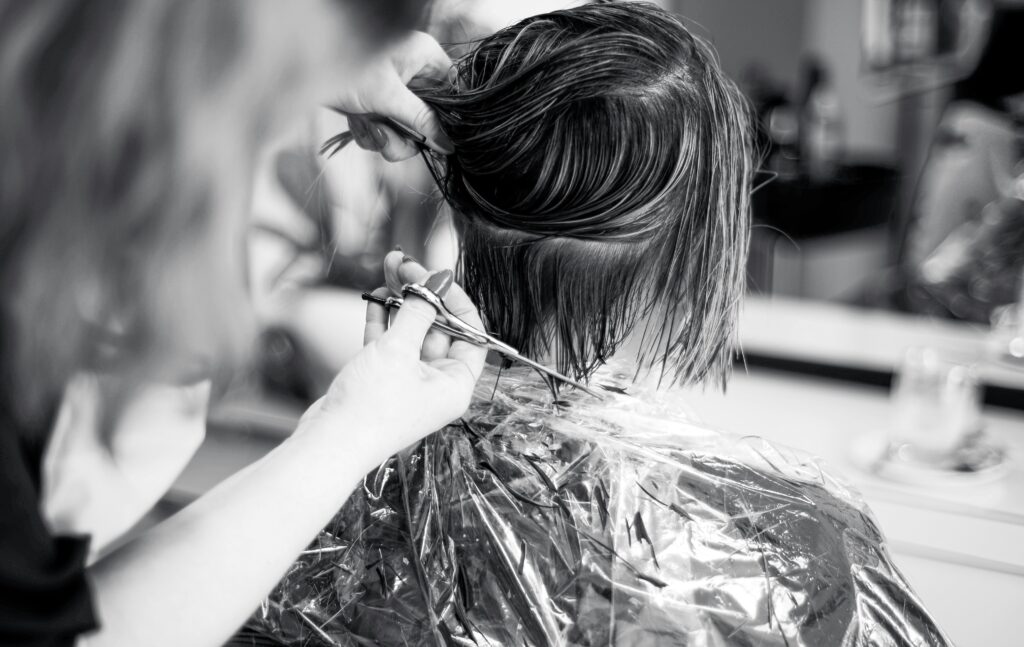
Why Cold Weather Affects Your Hair
Cold weather can change the way your hair looks and feels. During winter, outdoor humidity levels are often lower, and cold winds can make hair more vulnerable to dryness, tangling, and breakage.
Your hair naturally contains moisture, and its outer protective layer, known as the cuticle, helps keep it smooth and manageable. When hair becomes dry or damaged, this protective layer may become rough or lifted, allowing moisture to escape more easily.
This is why you might experience several common winter hair problems:
- Dryness: Your hair may feel rough, stiff, or less flexible.
- Breakage: Dry strands are generally more vulnerable to snapping during brushing and styling.
- Frizz: Changes in moisture levels can make hair harder to control.
- Dullness: Rough hair surfaces reflect less light, making your hair appear less shiny.
- Static: Dry air can cause individual strands to repel one another, creating flyaways.
People with naturally curly, textured, or chemically treated hair may notice these changes more strongly because their hair can already be more prone to dryness.
Understanding why these changes happen is the first step toward preventing them. Instead of simply treating problems when they appear, you can adjust your routine to protect your hair before winter conditions take their toll.
How Indoor Heating Contributes to Dry Hair
Many people assume that cold outdoor temperatures are the main reason their hair becomes dry during winter. However, indoor heating can be just as challenging.
When you enter a heated apartment, office, or home after spending time outside, your hair experiences a sudden change in temperature and humidity. Heating systems often reduce indoor relative humidity, creating an environment that encourages moisture loss.
Think about how your skin feels after sitting in a heated room for several hours. Your hair can experience similar effects.
Common indoor heating problems include:
- Increased dryness throughout the hair.
- More noticeable static electricity.
- Rough or tangled ends.
- Difficulty maintaining natural curls and waves.
- A dry or uncomfortable scalp.
One simple solution is to use a humidifier in the rooms where you spend the most time. A humidifier adds moisture to the air and can help create a more comfortable indoor environment.
Keeping indoor humidity around 30% to 50% is generally a reasonable target, depending on your home and climate.
You should also avoid sitting directly in front of radiators or heating vents whenever possible. While these systems make your home comfortable, constant exposure to warm, dry airflow may contribute to hair dryness.
Keep Your Hair Properly Moisturized
Moisture is one of the most important parts of a healthy winter hair care routine.
During colder months, your hair may need additional conditioning to maintain softness and flexibility. If you normally use a lightweight conditioner, consider introducing a richer formula or a nourishing hair mask.
Here are a few ways to improve your hair’s moisture levels:
Use a leave-in conditioner.
Leave-in conditioners help keep hair manageable between washes. They can reduce tangles, improve softness, and make brushing easier. Apply the product mainly to the middle lengths and ends, especially if your roots tend to become oily.
Apply a weekly hair mask.
A moisturizing hair mask provides more intensive conditioning than a regular conditioner. Depending on your hair type and product instructions, using one once a week can help improve the feel and appearance of dry hair.
Try lightweight hair oils.
Products containing argan, jojoba, or coconut oil can help soften hair and reduce friction. Use a small amount on the ends to avoid making your hair look greasy.
Don’t forget your ends.
The ends of your hair are the oldest parts of each strand and are often more vulnerable to dryness and splitting. Give them extra attention when applying conditioning products.
Remember that moisturizing doesn’t mean applying as many products as possible. The goal is to find a balance that keeps your hair soft without creating unnecessary buildup.
Choose the Right Shampoo and Conditioner
Your shampoo and conditioner can make a significant difference in how your hair responds to winter conditions.
A shampoo that leaves your hair feeling extremely stripped or squeaky clean may not be the best choice if you’re already dealing with dryness.
Consider using a gentle, moisturizing shampoo that cleans your scalp without unnecessarily removing its natural oils.
What should you look for?
- Hydrating ingredients such as glycerin.
- Conditioning ingredients such as panthenol.
- Nourishing oils and emollients.
- Formulas designed for dry or damaged hair.
- Color-safe options if you regularly dye your hair.
Your conditioner should complement your shampoo. Look for products that improve softness, reduce tangling, and help your hair feel smoother.
If you have fine hair, choose lightweight formulas to avoid weighing down your strands. If you have thick, curly, or textured hair, a richer conditioner may be more suitable.
Another important consideration is your hair’s current condition. Color-treated, highlighted, chemically processed, and naturally dry hair may require different products.
If you’re unsure which products are appropriate, consulting a professional stylist at Cedric Salon can help you make choices based on your individual hair needs.
Avoid Excessive Heat Styling
Winter often encourages people to use blow dryers, curling irons, and flat irons more frequently.
After washing your hair, you may want to dry it quickly before leaving the house. You might also rely on heated styling tools to achieve a polished look for work or social events.
However, excessive heat can weaken hair fibers and contribute to dryness and breakage.
This doesn’t mean you need to stop styling your hair altogether. Instead, make a few adjustments.
Follow these practical heat-styling tips:
Always use heat protectant.
Apply a heat-protectant product before using a blow dryer or hot styling tool. Follow the product instructions to ensure even coverage.
Lower the temperature.
You don’t always need the highest heat setting to achieve your desired hairstyle. Moderate temperatures are often sufficient, especially for fine or fragile hair.
Avoid repeated passes.
Running a flat iron over the same section multiple times increases unnecessary heat exposure. Work in manageable sections and avoid excessive repetition.
Let your hair air-dry when possible.
If you have enough time, allow your hair to partially air-dry before using a blow dryer.
Use a suitable blow-dryer setting.
Keep the dryer moving and avoid holding it too close to your scalp or hair. A cooler finishing setting can also help complete your styling routine.
Your hair doesn’t need daily exposure to high temperatures to look beautiful. Sometimes, a simpler styling routine produces healthier-looking results.
Protect Your Hair Before Going Outdoors
Cold winds can make your hair tangle more easily, especially when you spend extended periods outdoors.
If you live in New York, you already know how unpredictable winter weather can be. One day might bring freezing temperatures, while another brings strong winds and sudden changes in weather conditions.
Protecting your hair before leaving home can help minimize unnecessary friction and tangling.
Try these simple protective habits:
- Apply a small amount of leave-in conditioner before going outside.
- Use a lightweight serum on your ends to improve smoothness.
- Tie long hair into a loose braid or low ponytail.
- Avoid tight hairstyles that create excessive tension.
- Cover your hair when temperatures are particularly low.
- Make sure your hair is completely dry before prolonged exposure to freezing temperatures.
Going outside with wet hair isn’t necessarily harmful in itself, but wet hair is more vulnerable to stretching and mechanical damage. Freezing temperatures can also cause water in damp strands to freeze, making the hair feel stiff and more susceptible to damage.
Allow your hair to dry properly before heading outdoors, especially during particularly cold days.
Wear Winter Accessories the Right Way
Hats, scarves, and earmuffs are essential winter accessories, but they can sometimes create problems for your hair.
Constant friction between your hair and rough fabrics can lead to tangles, frizz, and breakage. Wool and certain synthetic materials may also increase static electricity.
The solution isn’t to avoid wearing hats. Instead, choose accessories that are gentle on your hair.
Consider the following options:
Satin-lined or silk-lined hats: These materials create less friction than many traditional fabrics and can help reduce tangling.
Soft scarves: Choose smooth fabrics that don’t pull or snag your hair.
Loose hairstyles: If you have long hair, try a loose braid underneath your hat rather than a tight ponytail.
Avoid overly tight headwear: Hats that pull against your hairline may create unnecessary tension.
You should also pay attention to how you remove your hat. Pulling it off quickly can create static and disturb your hairstyle. Remove it gently and use your fingers or a wide-tooth comb to smooth your hair afterward.
These small adjustments can help keep your hairstyle looking fresh even after spending hours outdoors.
Don’t Overlook Your Scalp During Winter
Healthy hair starts with a healthy scalp.
During winter, the combination of cold outdoor air and dry indoor heating can leave your scalp feeling uncomfortable. You may experience tightness, flaking, or itching.
However, not every flaky scalp is caused by dryness. Dandruff and other scalp conditions can produce similar symptoms, so it’s important to understand the difference.
How can you care for your scalp during colder months?
Use a gentle shampoo.
Choose a cleanser appropriate for your scalp type. If your scalp is dry or sensitive, avoid products that leave it feeling irritated.
Avoid extremely hot showers.
Hot water may feel relaxing during winter, but it can strip away natural oils and worsen dryness. Use comfortably warm water instead.
Massage your scalp gently.
A gentle scalp massage while shampooing can help distribute the cleanser and remove accumulated product residue. Avoid scratching with your fingernails.
Don’t apply heavy oils automatically.
Although certain oils may help condition dry hair, applying them directly to an irritated or flaky scalp isn’t always appropriate.
If you experience persistent itching, redness, painful areas, or excessive flaking, consider consulting a dermatologist.
Taking care of your scalp is just as important as conditioning your hair. A healthy foundation supports better-looking hair throughout the year.
Adjust Your Hair Washing Routine
Your regular washing schedule may need a few changes when the weather becomes colder.
Some people find that washing their hair too frequently makes it feel drier during winter. Others have oily scalps that still require regular cleansing.
There isn’t one perfect washing schedule for everyone. Your hair texture, scalp condition, lifestyle, and styling habits should determine how often you wash.
Here are some helpful guidelines:
- Wash your hair when your scalp needs cleansing rather than following a rigid schedule.
- Use lukewarm water instead of extremely hot water.
- Concentrate shampoo on your scalp.
- Apply conditioner mainly to the lengths and ends.
- Rinse thoroughly to prevent product buildup.
- Avoid aggressive towel drying.
Another useful habit is replacing rough towel rubbing with gentle squeezing.
After washing, wrap your hair in a soft microfiber towel or cotton T-shirt. These materials can help absorb excess water while reducing friction.
If your hair is particularly fragile, detangle it carefully with a wide-tooth comb while using an appropriate conditioner or detangling product.
The idea is to make your washing routine gentler without neglecting scalp hygiene.
Prevent Static, Frizz, and Hair Breakage
Static and frizz are among the most frustrating winter hair problems.
You might brush your hair in the morning only to find flyaways appearing a few minutes later. Your hair may also cling to your clothes or lose its shape after removing a winter hat.
This happens partly because dry air allows electrical charges to build up on hair strands.
Fortunately, a few simple techniques can help.
Use an anti-static or smoothing product.
A lightweight leave-in conditioner or hair serum can reduce friction and improve manageability.
Choose the right brush.
A suitable brush or comb can make a difference. Avoid aggressively brushing tangled hair, particularly when it is dry and fragile.
Reduce friction while sleeping.
A satin or silk pillowcase can help reduce friction between your hair and bedding. This may be particularly useful if you have long, curly, or textured hair.
Avoid excessive brushing.
Brushing repeatedly can create additional friction. Detangle gently, starting near the ends and gradually working toward the roots.
Keep your hair conditioned.
Hair that feels smoother and is easier to manage is generally less likely to experience mechanical damage during everyday styling.
Remember that breakage and shedding are not the same thing. If you’re noticing an unusual amount of hair falling out, don’t automatically blame winter weather. Persistent or sudden hair loss deserves professional evaluation.
Maintain Healthy Hair Through Regular Trims
One of the most effective ways to maintain healthy-looking hair during winter is to keep your ends in good condition.
Split ends can develop when the protective outer layer of the hair becomes damaged. Once a strand splits, conditioning products may temporarily improve its appearance, but they cannot permanently repair the split.
A professional trim removes damaged ends and helps maintain a cleaner, healthier-looking shape.
Why are winter trims important?
- They help remove existing split ends.
- They make hair easier to detangle.
- They can improve the appearance of your hairstyle.
- They help prevent damaged ends from becoming more noticeable.
- They keep your haircut looking polished.
How frequently you should get a trim depends on your hair length, condition, and styling preferences. Some people benefit from trims every six to eight weeks, while others can comfortably wait longer.
If you are growing your hair, remember that trimming doesn’t make hair grow faster from the roots. However, removing damaged ends can help you maintain length by reducing breakage.
At Cedric Salon, a professional consultation can help determine whether your hair needs a small maintenance trim or a more noticeable refresh.
Eat Well and Stay Hydrated for Healthier Hair
Hair care isn’t limited to shampoos, conditioners, and styling products. Your everyday habits also contribute to the condition of your hair.
Hair growth depends on several nutrients, including protein, iron, zinc, and certain vitamins.
Eating a balanced diet helps provide your body with the nutrients it needs to support normal hair growth and overall health.
Include a variety of nutrient-rich foods in your diet:
- Eggs: Provide protein and biotin.
- Salmon: Contains protein and omega-3 fatty acids.
- Spinach: Provides iron and other important nutrients.
- Nuts and seeds: Offer healthy fats, zinc, and vitamin E.
- Beans and lentils: Provide plant-based protein and iron.
- Greek yogurt: Offers protein and other essential nutrients.
Hydration is also important. Drinking enough water supports normal body functions and helps maintain overall health.
Although drinking extra water won’t directly repair dry hair strands, staying hydrated is part of maintaining a healthy body.
Be cautious with supplements marketed as miracle solutions for hair growth. Taking high doses of certain nutrients without a demonstrated need may be ineffective or even harmful.
If you suspect a nutritional deficiency is affecting your hair, speak with a qualified healthcare professional before starting supplements.
When Should You Visit a Professional Hair Salon?
Sometimes, home hair care isn’t enough to address everything your hair needs.
If your hair continues to feel dry, looks dull, or becomes difficult to manage despite changing your routine, a professional stylist can help you identify possible causes and recommend appropriate treatments.
A salon consultation can be particularly helpful if you have:
- Dry or damaged ends.
- Color-treated hair that needs additional care.
- Excessive tangling or frizz.
- A hairstyle that no longer suits your current hair condition.
- Difficulty choosing suitable hair care products.
- Hair that feels different after chemical treatments.
Professional hair care is about more than simply making your hair look good for one day. It also involves understanding your hair’s texture, condition, styling habits, and long-term goals.
If you’re searching for a Hair Salon New York residents can consider for personalized hair care, Cedric Salon is a great place to start exploring your options.
A professional stylist can evaluate your hair, discuss your concerns, and help you build a routine that makes sense for your individual needs.
You don’t have to wait until your hair becomes severely damaged to schedule an appointment. Preventive maintenance can make managing your hair much easier throughout the winter season.
Build a Winter Hair Care Routine That Works
The best winter hair care routine isn’t necessarily the most complicated one. In fact, consistency is usually more important than using dozens of different products.
Your routine should address the specific challenges your hair faces during colder months while remaining realistic enough to follow every day.
Here’s a simple routine you can adapt to your needs.
Morning Routine
- Gently detangle your hair using an appropriate brush or comb.
- Apply a small amount of leave-in conditioner if your hair feels dry.
- Use heat protectant before styling with heated tools.
- Apply a lightweight serum to the ends if needed.
- Protect your hair with a suitable hat or scarf before going outside.
Evening Routine
- Remove hair accessories gently.
- Detangle your hair carefully before sleeping.
- Avoid going to bed with wet hair whenever possible.
- Use a satin or silk pillowcase to reduce friction.
- Keep your bedroom comfortable and consider using a humidifier if the air is particularly dry.
Weekly Routine
- Wash your hair according to your scalp’s needs.
- Use a moisturizing hair mask when appropriate.
- Check your ends for dryness and visible splitting.
- Clean your brushes and remove accumulated product residue.
- Evaluate whether your current products are still working for your hair.
Monthly or Seasonal Routine
Consider scheduling a professional hair consultation or trim when needed. This allows you to address changes in your hair condition before they become more difficult to manage.
The most important thing is to pay attention to how your hair responds. If a product makes your hair feel heavy, adjust the amount or switch formulas. If your scalp becomes irritated, reconsider your cleansing routine.
Winter hair care should be flexible. What works for someone with thick curls may not work for someone with fine, straight hair.
Conclusion: Keep Your Hair Healthy and Beautiful All Winter
Cold weather and indoor heating can make maintaining healthy hair more challenging, but the right habits can help protect your strands throughout the season. Focus on moisture, gentle cleansing, reduced heat exposure, scalp care, and regular maintenance. Small adjustments can make a noticeable difference in how your hair looks and feels.
If you want personalized advice or need help refreshing your winter hair care routine, consider visiting Cedric Salon. Finding the right professional guidance can help you maintain beautiful, manageable hair regardless of the weather.
Healthy hair isn’t just a summer goal. With consistent care and the right approach, you can enjoy soft, shiny, and healthy-looking hair all year long.
Frequently Asked Questions (FAQs)
1. Why does my hair become so dry during winter?
Hair often becomes drier during winter because cold outdoor air and indoor heating reduce environmental humidity. These conditions can contribute to moisture loss, making hair feel rough, brittle, and difficult to manage. Using moisturizing conditioners, leave-in treatments, and protective hairstyles can help.
2. Is indoor heating bad for your hair?
Indoor heating can contribute to hair dryness because heating systems often reduce the amount of moisture in the air. Spending long periods in heated environments may increase static and make hair harder to manage. Using a humidifier and maintaining a consistent conditioning routine can help minimize these effects.
3. How often should I wash my hair during winter?
There is no universal washing schedule. It depends on your scalp type, hair texture, lifestyle, and product use. People with oily scalps may need more frequent washing, while those with dry or curly hair may benefit from washing less frequently. Choose a schedule that keeps your scalp clean without unnecessarily drying your hair.
4. What is the best way to prevent hair breakage in cold weather?
To reduce breakage, keep your hair conditioned, avoid excessive heat styling, detangle gently, and protect it from friction caused by hats and scarves. Regular trims can also help remove split ends and maintain healthier-looking hair.
5. Should I visit a hair salon during winter for professional treatments?
Yes, a professional salon visit can help you address seasonal dryness, damaged ends, and styling concerns. A stylist can assess your hair condition and recommend suitable treatments, products, or maintenance services. Visiting Cedric Salon can be a helpful starting point if you’re looking for personalized hair care guidance in New York.

Sorry, the comment form is closed at this time.