

Warm vs. Cool Hair Colors: Which Fall Shade Is Right for You?
Fall is the perfect time to refresh your hairstyle with a color that feels rich, flattering, and full of personality. As the leaves change from green to gold, you might find yourself craving something new, whether that means golden caramel highlights, a deep chocolate brown, or a sophisticated ash blonde. But how do you decide between warm and cool hair colors?
The secret is understanding how different shades work with your natural coloring, personal style, and maintenance preferences. At Cedric Salon, a Hair Salon in New York, choosing a seasonal color is about more than following trends. It is about finding a shade that makes you feel confident every time you look in the mirror.
In this guide, we will explore warm and cool hair colors, explain how to identify your undertones, and share some of the most flattering fall shades to consider before your next salon appointment.
What Are Warm and Cool Hair Colors?
Before choosing your fall shade, it helps to understand what makes a hair color warm or cool. Although two colors may look similar at first glance, their underlying tones can create very different effects.
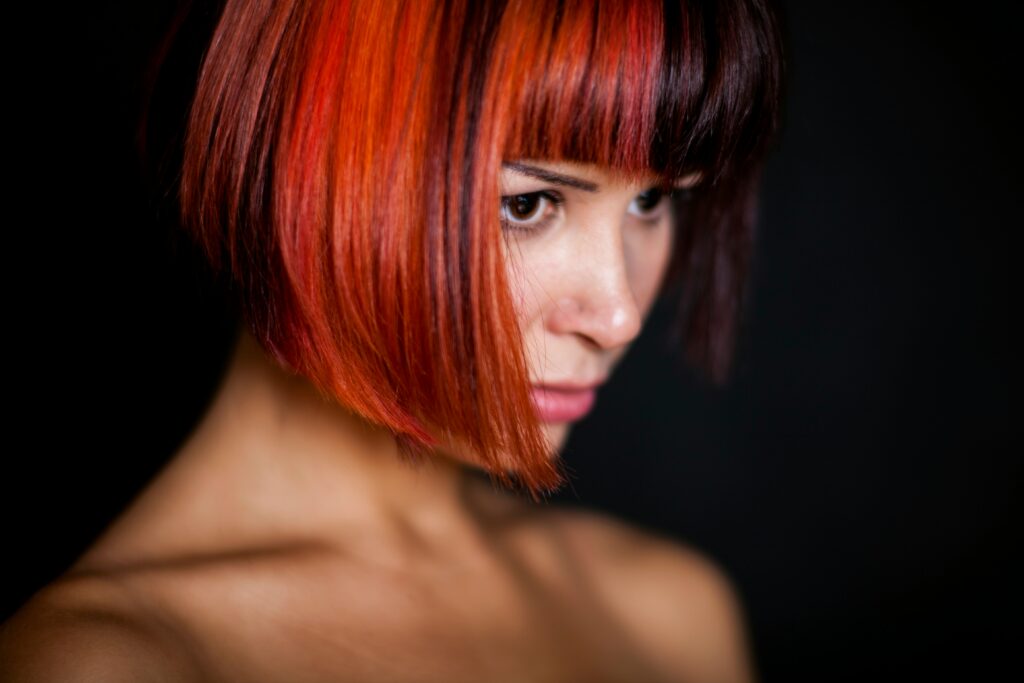
Warm hair colors have golden, red, copper, orange, or honey-like undertones. These shades tend to create a sunny, rich appearance that works beautifully with the cozy atmosphere of autumn.
Examples include:
- Golden blonde
- Copper red
- Strawberry blonde
- Caramel brown
- Auburn
- Warm chocolate brown
Cool hair colors contain ash, silver, violet, blue, or smoky undertones. They often create a refined, understated finish, especially when paired with darker roots or soft highlights.
Popular examples include:
- Ash blonde
- Mushroom brown
- Cool espresso
- Smoky brunette
- Silver blonde
- Burgundy with cool undertones
Think of warm and cool hair colors as two different lighting settings in a photograph. Warm tones create a golden-hour glow, while cool tones deliver the crisp, polished look of a cloudy autumn morning.
Neither category is automatically better. The right choice depends on the overall effect you want and how the shade complements your natural coloring.
Understanding Your Skin’s Undertones
Your skin tone describes how light or deep your complexion appears. Your undertone refers to the subtle color beneath the surface of your skin.
Understanding this distinction can help you select a hair color that complements your complexion instead of competing with it.
Warm undertones often have golden, peachy, or yellow hints.
Cool undertones may show pink, rosy, or bluish hints.
Neutral undertones combine warm and cool characteristics without one clearly dominating.
There is also an olive undertone, which can include greenish or golden characteristics and may appear across a range of skin depths. Olive complexions can work beautifully with carefully selected warm, cool, and neutral shades.
Simple Ways to Identify Your Undertone
Try these observations in natural daylight:
- The jewelry test: If gold jewelry tends to flatter you most, you may lean warm. If silver looks especially harmonious, you may lean cool. If both work equally well, you might have neutral undertones.
- The clothing test: Compare yourself in cream and bright white clothing. Cream may complement warmer undertones, while crisp white may flatter cooler undertones. However, this is a clue rather than a definitive test.
- The overall appearance test: Notice whether golden shades brighten your complexion or whether smoky, ashy shades create a more balanced effect.
Your results do not have to fit neatly into one category. Skin undertones are not an exact science, and lighting, hair color, makeup, and personal preference can all affect what looks flattering.
How to Tell Whether Warm or Cool Colors Suit You
Identifying your undertone is a useful starting point, but it should not be the only factor in your decision.
A warm caramel shade might create beautiful contrast on one person while looking too orange on another. Similarly, an ash brown may look sophisticated on one complexion but make another appear less vibrant.
Look at the effect, not just the color label. The best shade should complement your complexion, work with your natural hair, and suit the overall look you want to achieve.
Consider the following questions before making your choice:
- Do you prefer a golden, sunlit appearance or a smoky, understated finish?
- Do you want your color to look natural or make a noticeable statement?
- Are you comfortable with regular salon appointments?
- Do you want to emphasize your natural base color or create a dramatic transformation?
For example, if you have naturally dark brown hair and want a subtle autumn update, chocolate brown with soft caramel ribbons may be ideal. If you prefer a cooler aesthetic, mushroom brown or smoky espresso could provide the change you want without taking you too far from your natural shade.
At Cedric Salon, discussing these preferences with your colorist can help narrow the possibilities and create a more personalized result.
The Best Warm Hair Colors for Fall
Autumn practically invites warmer shades. Think of the colors you see in falling leaves, cinnamon drinks, golden sunsets, and freshly roasted chestnuts. These natural inspirations translate beautifully into hair color.
Golden Caramel
Caramel is a versatile choice for brunettes who want warmth without committing to an entirely different base color.
Caramel highlights can brighten medium and dark brown hair, adding dimension around the face and throughout the lengths. For fall, a deeper caramel often looks especially natural because it creates contrast without appearing overly bright.
Best for: People who want a warm, dimensional look with a relatively natural finish.
Copper and Cinnamon Red
Copper hair brings energy and personality to an autumn look. Depending on the formula, it can range from bright penny copper to a muted cinnamon shade.
A softer copper can be a good option if you want something noticeable without going extremely vibrant. Rich auburn is another possibility for people who prefer a deeper, more understated red.
Keep in mind that red pigments can fade relatively quickly. Using color-safe products and limiting excessive heat can help preserve the richness between salon appointments.
Best for: Anyone who loves expressive color and wants a shade that feels distinctly seasonal.
Honey Blonde
Honey blonde combines golden and sometimes beige tones to create a softer alternative to very bright platinum blonde.
It can be particularly appealing for people who want to maintain some brightness during fall while moving toward a richer, more natural-looking finish.
If your hair is naturally dark, achieving honey blonde highlights may require lightening. Your colorist should assess your hair’s condition and existing color before deciding how light to go.
Best for: Blonde clients seeking a warmer, softer seasonal refresh.
Warm Chocolate Brown
Warm chocolate brown is a classic choice for fall because it adds richness without requiring an extreme transformation.
Golden-brown or chestnut reflections can make the hair appear more dimensional, especially when light catches the surface. This shade also works well as a single-process color or as the base for subtle highlights.
Best for: Anyone looking for a polished, low-key change that still feels luxurious.
The Best Cool Hair Colors for Fall
Warm shades may dominate traditional autumn palettes, but cool colors can look just as seasonal. Their depth and muted undertones often complement fall clothing, darker wardrobes, and sophisticated hairstyles.
Mushroom Brown
Mushroom brown blends brown, beige, and ash-like tones to create a muted, earthy appearance.
Unlike golden brown, which reflects warmth, mushroom brown typically has a smoky finish. It can be an excellent choice for people who want dimension without obvious gold or copper tones.
The exact result depends on your natural base and previous color treatments. A colorist may need to adjust the formula to prevent unwanted warmth or excessive grayness.
Best for: Brunettes seeking a modern, understated color with subtle dimension.
Ash Blonde
Ash blonde is known for its cooler, smoky undertones. It can create a chic alternative to golden blonde, particularly when paired with a slightly darker root.
However, ash blonde often requires careful color correction and maintenance. If your natural hair is dark, reaching a pale ash blonde may involve several lightening sessions.
It is worth prioritizing hair health over achieving an extremely light result in one appointment.
Best for: People who enjoy cooler blonde shades and are prepared for the upkeep they may require.
Cool Espresso Brown
Espresso brown delivers deep, dark richness without the obvious reddish or golden reflections associated with some brown shades.
It can look striking on a range of complexions, especially when the finish remains glossy and the color is tailored to the wearer’s features.
If you love dark hair but want something more dimensional than flat black, cool espresso is worth considering.
Best for: Anyone who prefers deep, elegant color with a subtle cool finish.
Smoky Burgundy
Burgundy can lean warm, cool, or neutral depending on its red and violet pigments. A cooler burgundy often has a wine-like or plum-like appearance, making it an appealing option for fall.
You can wear it as an all-over color or introduce it through subtle highlights on a darker base. The result can be bold without being as bright as a vivid red.
Best for: People who want a creative seasonal color with depth and personality.
Neutral Hair Colors: The Best of Both Worlds
What if you like warm and cool colors equally? You do not necessarily need to choose one side.
Neutral hair colors balance different undertones to create a result that feels neither strongly golden nor distinctly ashy. They can be especially useful when your complexion appears to have a mixture of warm and cool characteristics.
Popular neutral options include:
- Beige blonde
- Neutral chocolate brown
- Soft chestnut
- Bronde, a blend of brown and blonde
- Balanced brunette balayage
Neutral colors can also be useful if you prefer a flexible look that works with different makeup styles and wardrobe colors.
For example, neutral chocolate brown can appear rich and natural without excessive red or ash. Beige blonde offers brightness without the strong yellow appearance of some golden blondes or the silver cast of very cool blondes.
The key is balance. A skilled colorist can adjust the formula to make the result warmer, cooler, or more neutral according to your preferences.
Choosing Hair Color for Your Natural Hair
Your starting hair color plays an important role in determining which fall shades are realistic and how much work they may require.
If You Have Blonde Hair
Blonde hair offers plenty of options, including honey blonde, beige blonde, copper blonde, and ash blonde.
If you want a subtle seasonal change, consider adding lowlights or moving toward a slightly deeper root. This can create dimension while preserving some of your existing brightness.
If You Have Brown Hair
Brown hair is ideal for experimenting with caramel highlights, chestnut tones, mushroom brown, or espresso.
You may not need to lighten your entire head to achieve a noticeable change. Strategic highlights or a gloss can sometimes provide the refresh you want with less disruption to your natural base.
If You Have Black Hair
Black hair can look beautiful with a glossy, cool espresso finish or subtle warm reflections.
If you want visible caramel, copper, or lighter brown highlights, some degree of lightening may be necessary. Your stylist can discuss whether a gradual approach would better protect your hair.
If You Have Gray Hair
Gray hair can be blended with cool blonde highlights, soft silver tones, or dimensional brunette shades.
Some people prefer full gray coverage, while others want their natural silver to become part of the finished look. Your choice will depend on the amount of gray, your desired coverage, and how frequently you want to maintain the color.
The most important rule: Choose a shade that works with your current hair condition and your long-term goals, not just the inspiration photo you bring to the salon.
Matching Hair Color to Your Eye Color
Eye color can provide another clue when selecting a fall shade, although it should never be treated as a strict rule.
Brown eyes: Warm chocolate, caramel, copper, and espresso can emphasize the richness of brown eyes. Cool brunette shades can also create elegant contrast.
Blue eyes: Ash blonde, cool brown, beige blonde, and copper can make blue eyes stand out in different ways. Copper creates a particularly noticeable contrast with blue.
Green eyes: Auburn, chestnut, copper, and selected burgundy shades can complement green eyes beautifully. Mushroom brown and neutral blonde may also work well.
Hazel eyes: Hazel eyes often contain a mixture of green, brown, and golden tones. Caramel, chestnut, beige blonde, and balanced brunette shades can bring out different parts of that combination.
Think of your hair color as the frame around a painting. The frame can emphasize particular details, but it should not overwhelm the artwork itself.
Your overall complexion, natural coloring, and personal taste remain more important than eye color alone.
Warm vs. Cool Hair Colors for Different Skin Tones
Skin depth and undertone work together, so the most flattering shade depends on both.
Fair Skin
Fair complexions can work with warm strawberry blonde, soft copper, beige blonde, ash blonde, or light brown.
If you have a cool undertone, an overly golden shade may look more yellow than you intended. If you have a warm undertone, an extremely ashy shade may create a contrast you do not enjoy.
Neither effect is necessarily wrong. The goal is to decide whether you prefer harmony or contrast.
Medium Skin
Medium complexions often have a broad range of options, including caramel, chestnut, honey blonde, mushroom brown, and rich auburn.
For a natural-looking result, consider how the depth of the hair color compares with your complexion. A medium brown base with strategically placed highlights can provide dimension without creating a dramatic change.
Olive Skin
Olive skin can look beautiful with neutral brunette shades, mocha, espresso, and selected caramel or beige highlights.
Because olive complexions may have both greenish and golden characteristics, it is worth testing shades carefully rather than assuming that every warm color will work.
A balanced brown can be a useful starting point if you are unsure which direction to take.
Deep Skin
Deep complexions can be complemented by rich chocolate brown, espresso, mahogany, copper, burgundy, and carefully placed caramel highlights.
Cool tones can create striking contrast, while warm shades can bring out golden or reddish reflections. Both approaches can be beautiful.
Remember: There is no single hair color reserved for any skin tone. These are starting points, not rules. The best shade is the one that makes you feel comfortable, confident, and authentically yourself.
Popular Fall Hair Color Trends
Seasonal trends can inspire a new look, but the best trend is one that fits your everyday life.
Expensive Brunette
This look focuses on rich brunette color, glossy shine, and subtle tonal variation. The finish appears polished rather than heavily highlighted.
It can be adapted with warmer chocolate tones or cooler espresso shades, depending on the desired effect.
Copper Glow
Copper continues to be an appealing seasonal option because it reflects the reds, oranges, and golds associated with autumn.
You can choose a bright copper for a more dramatic transformation or a muted auburn for something more understated.
Soft Balayage
Balayage places lighter tones strategically throughout the hair, creating a blended appearance rather than a uniform highlight pattern.
For fall, caramel balayage on brown hair or beige balayage on blonde hair can provide movement while keeping the roots relatively natural.
Mushroom Brunette
This trend embraces earthy, smoky brown shades. It suits people who prefer cool or neutral colors and want something modern without going dramatically lighter.
Dimensional Chocolate
Dimensional chocolate combines several related brown shades to create depth and shine. The effect is often subtle, but it can make the hair look fuller and more visually interesting.
A useful approach: Use trends as inspiration, then personalize the color around your complexion, natural base, haircut, and maintenance preferences. A trend should work for you, not turn your hair into a seasonal obligation.
How to Maintain Your Fall Hair Color
A beautiful salon result is only the beginning. The way you care for your hair at home can influence how long your color stays vibrant.
Use Color-Safe Shampoo and Conditioner
Choose products designed for color-treated hair. If your hair is dry or lightened, a moisturizing conditioner can help improve softness and manageability.
Avoid assuming that every product labeled for colored hair will suit every hair type. Your stylist can recommend a routine based on your particular needs.
Reduce Excessive Heat
Frequent high-heat styling can contribute to dryness and fading. Use a heat protectant when blow-drying, curling, or straightening, and choose moderate temperatures whenever possible.
Protect Your Hair From the Sun
Strong sunlight can affect hair color, especially on lightened or chemically treated hair. Consider wearing a hat outdoors for extended periods and using hair products with UV protection when appropriate.
Choose the Right Toner or Gloss
A professional gloss or toner may help refresh your shade between major color appointments.
Purple shampoo can help reduce unwanted yellow tones in some blonde hair, while blue-toning products may help manage orange tones in certain brunettes. These products are not interchangeable, and excessive use can leave unwanted color deposits.
Schedule Maintenance Around Your Color
Root touch-ups, glossing appointments, and highlight refreshes vary depending on your chosen technique and how quickly your hair grows.
For example, a blended balayage may allow for longer intervals between appointments than a high-contrast color with noticeable roots. Red shades may need more frequent refreshing because they can lose vibrancy over time.
Healthy hair is the foundation of beautiful color. Regular conditioning, gentle handling, and realistic salon scheduling can help you maintain a polished finish throughout the season.
Common Hair Coloring Mistakes to Avoid
Choosing the right shade is important, but avoiding a few common mistakes can make your salon experience much smoother.
Following Trends Without Considering Your Starting Color
A photo of icy blonde hair may look incredible, but achieving that result from dark, previously colored hair can require substantial lightening.
Ask your colorist what is realistically achievable in one session and whether a gradual plan would be better for your hair.
Assuming Warm Colors Suit Everyone With Warm Undertones
Undertones are useful clues, not strict formulas. Someone with warm skin may prefer cool hair for contrast, while someone with cool skin may love copper.
Personal style and the overall color balance matter just as much.
Ignoring Maintenance Requirements
Bright copper, platinum blonde, and high-contrast highlights can require more upkeep than a close-to-natural brunette.
Before committing, discuss root growth, fading, salon frequency, and at-home care.
Attempting Major Color Changes at Home
Box dyes can be unpredictable when applied over previous color, highlights, or unevenly lightened hair. Correcting a result that turns too orange, too dark, or patchy can become more complicated than the original service.
For major transformations, professional guidance can help reduce the risk of unwanted results.
Neglecting Hair Health
Repeated chemical processing can leave hair dry or fragile. A good color plan considers the condition of your hair, not just the target shade.
Sometimes the best decision is to improve hair health first and work toward your desired color gradually.
How to Choose the Right Shade at a Salon
Choosing between warm and cool hair colors becomes easier when you approach your appointment with a clear idea of what you want.
Start by collecting two or three inspiration photos. Look for examples with a similar natural hair color, complexion, and hair length to yours. A photo can communicate details that are difficult to describe with words alone.
Next, discuss your preferences with your colorist. Tell them whether you want a subtle refresh, a significant transformation, gray coverage, or a low-maintenance result.
It is also useful to explain what you dislike. Perhaps you want to avoid strong red tones, yellow-looking blonde, or visible root growth. These details help narrow the options.
At Cedric Salon, a Hair Salon in New York, your seasonal color consultation can focus on the look you want to achieve and the practical considerations behind it. Your natural hair color, previous treatments, and hair condition all influence the best approach.
Ask about the following before proceeding:
- Shade selection: Which warm, cool, or neutral colors best match your goals?
- Color technique: Would an all-over color, highlights, lowlights, balayage, or gloss deliver the desired result?
- Hair health: Does your current hair condition support the planned transformation?
- Maintenance: How often will you need touch-ups or toning?
- Home care: Which products and styling habits will help preserve the color?
A professional consultation is especially valuable if you want to move from dark hair to a much lighter shade or correct unwanted tones from a previous color service.
You do not need to arrive knowing every technical detail. Bring your inspiration, explain your priorities, and let the conversation guide the final decision.

Sorry, the comment form is closed at this time.