

Why Your Hair Feels Different in Summer and What to Do About It
Summer has a way of changing everything. Your clothes get lighter, your skin gets more sun, and suddenly, your hair seems to have developed a personality of its own. Maybe it feels dry and rough. Maybe it becomes frizzy the moment you step outside. Or perhaps your roots get oily while your ends somehow feel like straw. Sound familiar?
You are not imagining it. Summer can genuinely change the way your hair looks, feels, and behaves. Heat, humidity, sunlight, sweat, chlorine, and salt water all play a role. Think of your hair like your favorite summer outfit: expose it to intense weather, water, and constant activity, and eventually it will need a little extra care.
The good news? You do not need to spend the entire season fighting with your hair. Once you understand why your hair feels different in summer, you can adjust your routine and keep it healthier, softer, and easier to manage.
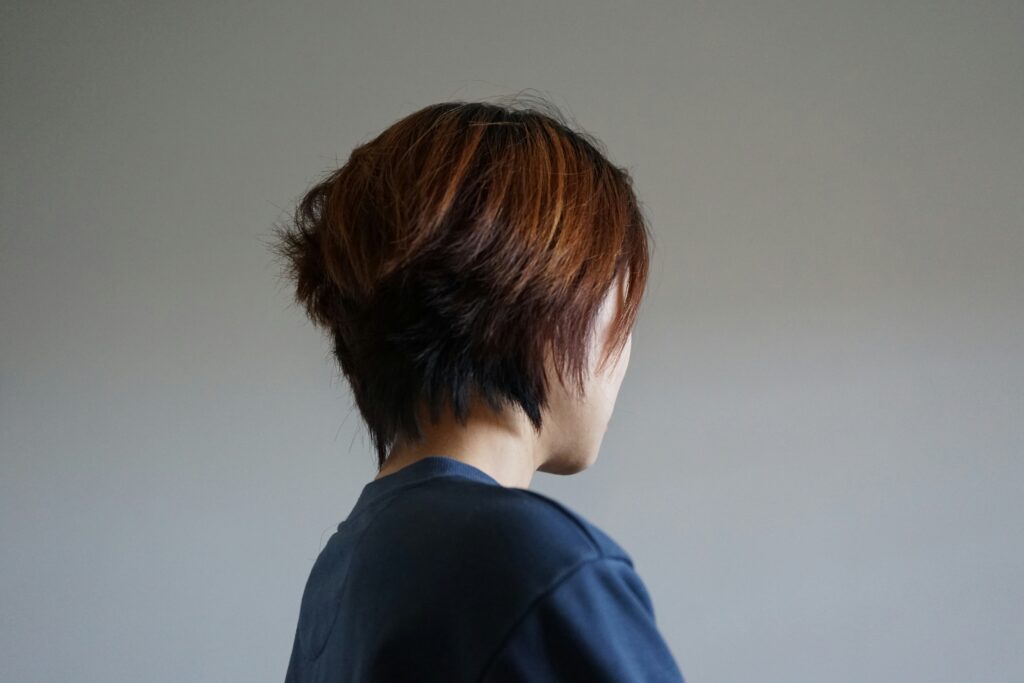
Why Does Hair Change During Summer?
Summer creates a completely different environment for your hair. During colder months, dry indoor air and lower temperatures may be your biggest concerns. In summer, however, your hair has to deal with an entirely new group of troublemakers.
Heat, humidity, UV exposure, sweat, chlorine, and salt water can all affect the hair and scalp.
The result can be confusing because not everyone experiences the same changes. One person may struggle with frizz, while another notices more oil or dryness. Your natural hair texture, color treatments, styling habits, and environment can all influence how your hair reacts.
That is why a routine that worked perfectly in winter may suddenly feel completely wrong in July.
Heat Can Leave Hair Feeling Dry
High temperatures can make hair feel dry, rough, and less manageable.
When the weather is hot, your hair is often exposed to additional stress. You may spend more time outdoors, wash your hair more frequently, use styling tools before going out, or tie it up to stay cool.
All of this can contribute to moisture loss.
If your hair already feels dry, adding more heat is a little like leaving a sponge in the sun. Eventually, it loses the moisture that helped keep it flexible.
What can you do?
Focus on moisture. Use a conditioner that works for your hair type and consider adding a hydrating treatment to your weekly routine. If you regularly use a blow dryer, curling iron, or flat iron, always use a heat protectant.
Humidity and the Frizz Factor
If your hair looks smooth indoors but turns into a fluffy cloud outside, humidity may be the reason.
Hair can react to moisture in the air. For many people, especially those with wavy, curly, or naturally textured hair, humid weather can cause strands to swell and lose their smooth appearance.
This often leads to:
- Frizz
- Flyaways
- Loss of definition
- Hair that feels bigger or puffier
- Styles that do not last as long
The solution is not always to fight your natural texture. Sometimes, working with it is easier.
A lightweight leave-in conditioner, smoothing product, or curl-defining cream may help depending on your hair type. The goal is to give your hair enough moisture and support without making it feel heavy.
Why Your Scalp Gets Oilier
Have you noticed that your hair feels oily faster during summer?
Sweating can make your scalp and roots feel greasy, especially on hot and humid days. This does not necessarily mean your scalp is suddenly producing more oil dramatically. Sometimes, sweat, natural oils, styling products, and environmental buildup simply combine to create that heavy feeling.
The temptation is to wash your hair constantly. But over-washing may not always be the best answer.
Instead, pay attention to how your scalp actually feels. Some people need more frequent washing in summer, while others can refresh their hair between washes.
A gentle cleansing routine can help remove sweat and buildup without leaving your hair feeling stripped.
Sun Exposure Can Affect Your Hair
We often remember to protect our skin from the sun, but what about our hair?
Long periods of sun exposure can leave hair feeling dry and looking dull. If you have color-treated hair, you may also notice changes in the appearance of your color over time.
Summer sunlight can be especially challenging when combined with heat and frequent washing.
Simple habits can make a difference:
Wear a hat when spending long periods outdoors.
Use hair products designed to provide protection when appropriate.
Add moisture back into your hair after extended sun exposure.
Think of a hat as a little shade umbrella for your hair. It may not solve every problem, but it can reduce direct exposure when the sun is doing its absolute most.
How Chlorine Changes Your Hair
Pool days are fun. Your hair may disagree.
Chlorine can leave hair feeling dry, tangled, or rough. Color-treated and porous hair may be especially likely to show noticeable changes after repeated exposure.
Before swimming, try wetting your hair with clean water. This can help reduce how much pool water your hair absorbs.
After swimming, rinse your hair thoroughly and cleanse it when necessary to remove chlorine and other buildup.
A deep conditioning treatment can also help restore softness, particularly if you spend a lot of time in the pool during the summer.
Salt Water and Summer Texture
Salt water can give your hair that effortless beachy texture that looks great in photos. But after several beach days, the effect may become less charming.
Hair can start feeling dry, tangled, or stiff.
The key is balance. Enjoy the beach, but do not leave salt water sitting in your hair for the rest of the day.
Rinse your hair with fresh water when possible and follow up with a moisturizing conditioner.
Beach texture can be fun. Permanent beach texture? Probably less exciting.
Why Hair Can Feel Different From Morning to Night
Summer hair can be unpredictable.
You may leave home with a perfect hairstyle and return a few hours later wondering what happened.
The combination of heat, humidity, sweat, wind, and movement can gradually change the appearance of your hair throughout the day.
This is why summer styling often works best when it is flexible.
Instead of expecting every strand to remain perfectly in place, consider styles that can evolve naturally. Loose braids, textured waves, ponytails, and buns can be practical options.
Sometimes the secret to better summer hair is simply choosing a style that does not require you to battle the weather every hour.
The Importance of Summer Hydration
Hydration is one of the biggest priorities for summer hair care.
But hydration does not mean using the heaviest product you can find. In hot weather, heavy products can sometimes make fine hair feel flat or greasy.
The right balance depends on your hair.
Fine hair may benefit from lightweight conditioners and leave-in products. Thick or curly hair may need richer creams or masks.
Pay attention to how your hair responds.
If it feels soft but flat, you may be using too much product. If it still feels rough after conditioning, you may need more moisture or a different type of treatment.
Your hair routine should feel less like following a strict rulebook and more like adjusting the thermostat. You make changes based on what is happening.
How Often Should You Wash Your Hair in Summer?
There is no universal answer.
How often you should wash your hair depends on your scalp, hair texture, activity level, and product use.
If you are sweating heavily, swimming frequently, or experiencing noticeable buildup, you may need to wash more often.
However, washing several times a day simply because your hair feels warm is usually unnecessary.
Try to find a routine that keeps your scalp comfortable without leaving your lengths dry.
You can also use refreshing products between washes if they work well for your hair type.
Choosing the Right Summer Hair Products
Summer is a great time to simplify.
You may not need ten different products. A few well-chosen essentials can often do more for your hair than an overcrowded bathroom shelf.
Consider including:
A gentle shampoo for regular cleansing.
A moisturizing conditioner suited to your hair type.
A leave-in product for additional hydration and manageability.
A heat protectant if you use hot styling tools.
A weekly treatment or mask when your hair needs extra care.
The important thing is to avoid choosing products based only on trends. What works beautifully for someone with thick, curly hair may be completely wrong for someone with fine, straight hair.
Protective Hairstyles for Hot Weather
Protective and low-maintenance hairstyles can make summer much easier.
Depending on your hair type and personal style, you might consider:
- Loose braids
- Low buns
- Soft ponytails
- Twists
- Natural curls
- Air-dried styles
Avoid pulling your hair too tightly for long periods, especially when it is wet.
The goal is to keep your hair comfortable while reducing unnecessary stress and manipulation.
A good summer hairstyle should feel like a reliable travel companion: helpful, flexible, and not constantly creating new problems.
When a Summer Haircut Can Help
If your ends feel dry, tangled, or difficult to manage, a haircut or trim may help refresh your style.
Summer can make existing damage more noticeable, particularly when you spend time swimming or using heat styling tools.
A professional haircut can remove worn ends and give your hair a cleaner shape.
It can also make your daily routine easier. Sometimes, the best hair product is not another bottle. Sometimes, it is simply getting rid of the ends that have been causing trouble for months.
Professional Hair Care Makes a Difference
While at-home care is important, professional guidance can help you understand what your hair actually needs.
At Cedric Salon Hair Salon New York, a professional consultation can help identify concerns related to dryness, color maintenance, texture, styling, or seasonal changes.
Your hair is individual. It has its own texture, history, color treatments, and habits. A personalized approach can be more useful than copying a routine from a random video that promises perfect hair in three easy steps.
A stylist can also recommend a haircut, treatment, or styling approach based on your specific goals.
Building a Simple Summer Hair Routine
The best summer routine is one you can actually maintain.
You do not need a complicated 14-step process.
Start with the basics:
Cleanse your scalp when needed.
Condition your hair regularly.
Protect your hair from excessive heat.
Rinse after swimming.
Add moisture when your hair feels dry.
Choose hairstyles that work with summer weather.
Schedule trims when your ends need attention.
Then adjust as the season changes.
Your hair may need something different during a humid week than it does after a vacation full of pool days. Paying attention to those changes is more valuable than following the same routine every day.
Conclusion
Summer can make your hair feel completely different, but the changes usually make sense once you consider everything your hair is exposed to. Heat, humidity, sunlight, sweat, chlorine, and salt water can all affect how your hair looks and behaves.
The key is not to panic every time your hair becomes frizzy or dry. Adjust your routine, focus on moisture and protection, and choose styles that work with the season rather than fighting against it.
With the right care—and professional support when you need it—you can spend less time arguing with your hair and more time enjoying summer.
Frequently Asked Questions
1. Why does my hair get frizzy in summer?
Humidity is often a major reason for summer frizz. Moisture in the air can affect the hair and cause strands to lose their smooth appearance. Using products suited to your hair type and avoiding excessive dryness can help improve manageability.
2. Should I wash my hair more often during summer?
It depends on your scalp, activity level, and how much sweat or buildup you experience. If you are swimming or exercising frequently, you may need more regular cleansing. However, washing too aggressively can leave some hair types feeling dry.
3. Does chlorine damage hair?
Chlorine can make hair feel dry, rough, or tangled, especially after repeated exposure. Wetting your hair with fresh water before swimming, rinsing afterward, and using conditioner can help reduce the impact.
4. How can I protect my hair from the summer sun?
You can reduce direct exposure by wearing a hat, limiting prolonged time in intense sun when possible, and maintaining a moisturizing hair routine. Color-treated or dry hair may need extra attention during the summer months.
5. What should I do if my hair feels dry all summer?
Start by reviewing your routine. Reduce unnecessary heat styling, use a suitable conditioner, add a moisturizing treatment, and trim damaged ends when needed. If your hair continues to feel difficult to manage, a professional consultation at Cedric Salon Hair Salon New York can help you find a more personalized approach.

Sorry, the comment form is closed at this time.