

How to Transition Your Hair from Winter to Spring
When winter finally loosens its icy grip, your closet isn’t the only thing that needs a seasonal update—your hair does too. Think about it: months of cold air, indoor heating, and dry winds can leave your strands feeling brittle, dull, and just… tired.
Now spring shows up with sunshine, humidity, and fresh energy. So, how do you help your hair keep up?
If you’re in New York, where winter can be harsh and spring unpredictable, this transition matters even more. At Cedric Salon, a trusted hair salon in New York, stylists often say that seasonal hair care is like switching your skincare routine. What worked in January won’t necessarily work in April.
Let’s walk through exactly how to bring your hair back to life this spring.
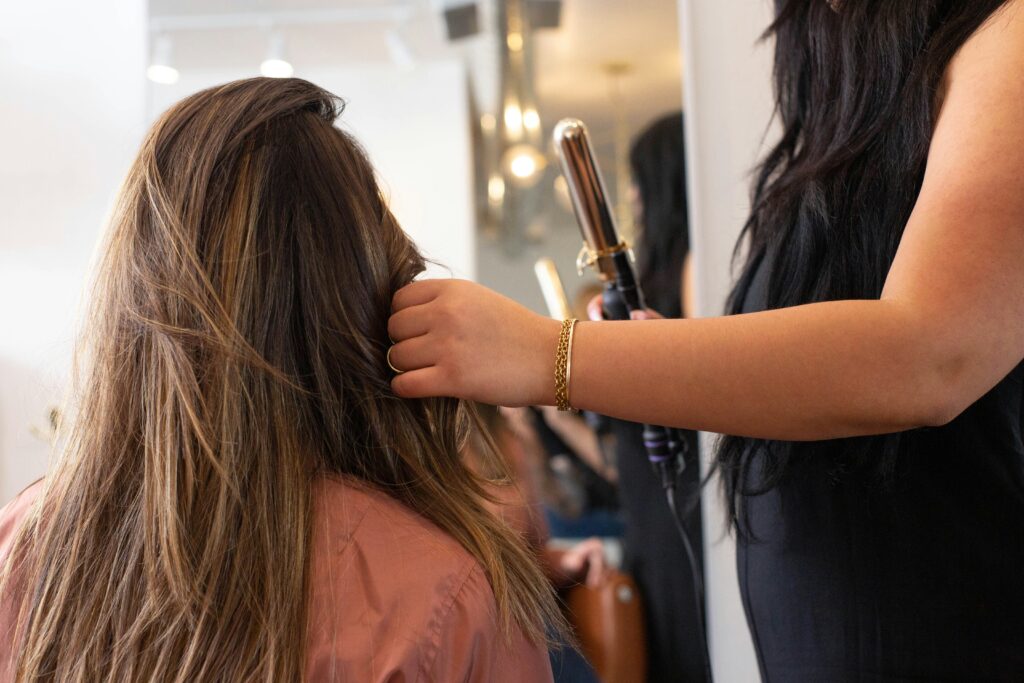
Understanding What Winter Did to Your Hair
Winter is not gentle. Cold air strips moisture. Indoor heating zaps hydration. Hats create friction.
The result?
- Dry ends
- Static and frizz
- Flat roots
- Dull color
Think of your hair like a plant left in freezing weather without water. It survives—but it needs serious revival.
Before you switch products randomly, identify what your hair actually needs. Is it moisture? Strength? Shine? Once you know, you can build a smarter plan.
Start with a Fresh Trim
Let’s be honest: those split ends aren’t fixing themselves.
Why trimming matters:
- Prevents split ends from traveling up the strand
- Instantly improves shine
- Makes hair easier to style
You don’t need a dramatic chop (unless you want one!). Even a half-inch trim can make your hair look healthier overnight.
At Cedric Salon, stylists often recommend a “spring dusting”—a light trim that removes damage while keeping length intact. It’s like pruning a tree before new growth blooms.
Switch to a Lightweight Shampoo
Winter shampoos often focus on heavy hydration. In spring, that same formula can weigh your hair down.
What to look for:
- Lightweight, balancing formulas
- Ingredients that cleanse without stripping
- Products suited to your scalp type
As humidity rises, your scalp may produce more oil. If your roots suddenly feel greasy by midday, your winter shampoo might be too rich.
Spring is about balance—not stripping, not smothering.
Deep Conditioning: The Reset Button
If winter left your hair parched, deep conditioning is your best friend.
How often?
Once a week is usually enough.
What it does:
- Restores elasticity
- Boosts shine
- Reduces breakage
Apply from mid-length to ends and leave it on while you relax. Think of it as therapy for your hair—quiet time that pays off later.
Detox Your Scalp
You exfoliate your skin, right? Your scalp deserves the same attention.
Over winter, product buildup, dry skin, and oil can clog follicles.
Benefits of a scalp detox:
- Promotes healthier growth
- Reduces flakes
- Improves volume
You can use a gentle scalp scrub or clarifying treatment once or twice a month. Many professionals at top New York hair salons suggest detoxing at the start of each season for optimal results.
Lighten Up on Heavy Styling Products
Heavy creams and thick oils may have saved your strands in January—but in April, they can make your hair limp.
Swap this:
Heavy butters and thick serums
For this:
Light leave-in sprays
Volumizing mousses
Airy texture creams
Your hair should feel bouncy and touchable, not coated.
Embrace Moisture—But Balance It
Spring brings humidity, especially in New York. While moisture sounds good, too much can cause frizz.
How to manage it:
- Use anti-frizz serums sparingly
- Apply products to damp hair
- Avoid over-layering
It’s a balancing act. Imagine walking a tightrope between hydration and puffiness. The right products keep you steady.
Consider a Spring Hair Color Refresh
Spring is the season of light. Why not reflect that in your hair?
Popular spring updates include:
- Softer highlights
- Warmer tones
- Subtle balayage
- Gloss treatments for shine
At Cedric Salon, colorists often recommend a gloss service to revive dull winter color without a full dye job. It’s like turning up the brightness on your hair.
A professional hair salon in New York understands how city weather and water affect color longevity, so expert advice makes a difference.
Protect Against UV Damage
Yes, your hair can get sun damage, too.
As you spend more time outdoors, UV rays can:
- Fade color
- Dry strandsWeakenedn hair structure
Look for products with UV protection or wear a hat when you’re out in strong sun. Protecting your hair is just as important as protecting your skin.
Adjust Your Styling Routine
Winter often means heat styling to combat frizz and flatness. But spring allows for more flexibility.
Try:
- Air-drying occasionally
- Loose waves
- Low buns or braids
Less heat equals less damage. Let your hair breathe a little.
Feed Your Hair from Within
Healthy hair doesn’t start in the shower—it starts at the table.
Nutrients that support hair health:
- Protein
- Omega-3 fatty acids
- Iron
- Biotin
Drinking enough water also plays a role. Hydration isn’t just topical.
Your body is the soil. Your hair is the plant. Feed the soil, and the plant thrives.
Humidity-Proof Your Look
Spring weather in New York can switch moods fast. Sunny morning, rainy afternoon.
To stay prepared:
- Use humidity-resistant finishing sprays
- Avoid over-touching your hair
- Keep a travel-size anti-frizz product in your bag
Preparedness beats panic styling in the office bathroom.
Schedule a Professional Consultation
Sometimes, you need expert eyes.
A stylist at Cedric Salon can:
- Assess damage
- Recommend personalized treatments
- Suggest cuts that suit spring trends
- Adjust color formulas for the season
Think of it as a seasonal check-up. Your hair evolves—your routine should too.
Create a Spring Hair Maintenance Plan
Consistency is everything.
Your plan might include:
- Trim every 6–8 weeks
- Weekly deep conditioning
- Monthly scalp detox
- Professional gloss every season
When you treat your haiaske a long-term investment rather than a quick fix, the results show.
Conclusion
Transitioning your hair from winter to spring isn’t about drastic changes—it’s about smart adjustments. Trim the damage, lighten the products, protect against sun and humidity, and don’t ignore your scalp.
Whether you DIY at home or book an appointment at a trusted hair salon in New York like Cedric Salon, the goal is the same: healthy, vibrant hair that feels as fresh as the season itself.
Spring is about renewal. Why shouldn’t your hair get the memo?
FAQs
1. How often should I trim my hair when transitioning from winter to spring?
Every 6–8 weeks is ideal. A light trim removes winter damage and keeps your style looking fresh.
2. Do I need to change my shampoo in spring?
Yes, switching to a lighter formula helps prevent buildup and oily roots as humidity increases.
3. Can humidity really damage my hair?
Humidity doesn’t damage hair directly, but it can cause frizz and disrupt your style if not managed properly.
4. Is professional color better than at-home color for a spring refresh?
Professional colorists, especially at an experienced New York hair salon, can customize tones to suit your skin and seasonal trends.
5. What’s the quickest way to revive dull winter hair?
A trim, deep conditioning treatment, and a gloss service can instantly improve shine and softness.

Sorry, the comment form is closed at this time.